
 English
 Español
 Portugues
 Pусский
 Français
 Deutsch
 한국어
한국어 العربية
 Italiano
 Svenska
 ไทย
ไทย Türk dili
 हिन्दी
 Tiếng Việt
 中文
中文 dansk
dansk қазақ
қазақ বাংলা
বাংলা فارسی
فارسی українська
 беларускі
 Suomalainen
 o'zbek
 Србија
 پښتو
پښتو საქართველოს
 Shqipëria
 Afrikaans
 Kikongo
Forma do mocowania rury spustowej z PCV
UPVC Floor Drain Pipe Fitting Mould: Technical Overview UPVC (Unplasticized Polyvinyl Chloride) floor drain pipe fitting moulds are specialized tools used in the injection moulding process to manufacture precise and durable drainage components for plumbing systems. These moulds are designed to produce fittings that ensure efficient water flow, leak-proof connections, and long-term performance in residential, commercial, and industrial applications. 1. Material and Design The moulds are typically made from high-grade steel (e.g., P20, H13, or stainless steel) to withstand high-pressure injection cycles and resist wear. Key design considerations include: - Cavity and Core: Precision-machined to create the internal and external geometries of the fitting, ensuring tight tolerances (e.g., ±0.02mm). - Cooling System: Integrated channels for efficient heat dissipation to reduce cycle time and prevent warping. - Ejection Mechanism: Smooth ejection of the finished part to avoid deformation. - Venting: Proper venting to eliminate air traps and ensure defect-free surfaces. 2. Key Features of the Produced Fittings The moulds manufacture UPVC floor drain fittings with the following characteristics: - Corrosion Resistance: UPVC is inherently resistant to chemicals, moisture, and microbial growth. - Smooth Interior: Minimizes friction to enhance drainage efficiency. - Standard Compliance: Meets international standards (e.g., ISO 3633, ASTM D2665) for dimensions and pressure ratings. - Modularity: Compatible with various pipe diameters (e.g., 50mm, 75mm, 110mm) and configurations (elbows, tees, couplings). 3. Manufacturing Process 1. Material Preparation: UPVC granules are dried and fed into the injection moulding machine. 2. Injection: Molten UPVC is injected into the mould cavity under high pressure (800–1,500 bar). 3. Cooling & Ejection: The part solidifies, and ejector pins release it from the mould. 4. Post-Processing: Flash removal, deburring, and quality checks (dimensional, pressure, and leak tests). 4. Applications UPVC floor drain fittings are widely used in: - Building Drainage Systems: Bathrooms, kitchens, and balconies. - Sewage Networks: Underground and vertical piping. - Stormwater Management: Roof and surface water drainage. 5. Advantages of UPVC Moulds - Durability: Steel moulds support high-volume production (100,000+ cycles). - Cost-Effectiveness: Low maintenance and long service life reduce per-unit costs. - Customization: Moulds can be tailored for specific fitting designs or regional standards. Conclusion UPVC floor drain pipe fitting moulds are critical for producing reliable, standardized drainage components. Their precision engineering ensures consistent quality, while UPVC’s material properties guarantee longevity and performance in diverse environments. The moulds’ efficiency and adaptability make them indispensable in modern plumbing infrastructure.
Produkt
Kategoria:
-
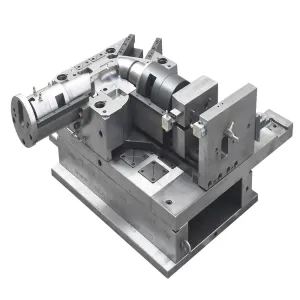
Składana forma do montażu rur kolankowych
Ich klasyfikacja: Forma do mocowania rur kielichowychWidoki: 468Liczba:Czas zwolnienia: 2025-10-31 11:42:32Składana forma do montażu rur kolankowychNazwa formy:Składana forma do montażu rur kolankowychWnęka: 1 wnękaRozmiar formy: 110 mmStal formierska: Niemcy2316, Chiny2316 lub 4cr13 do wnękiBrama: brama bezpośredniastruktura formy: cylinder olejowyTwardość rdzenia/wnęki: HRC 40-45°stopniWtryskarka: 400 T 1, Wymagania dotyczące właściwości materiału PVC dla systemu rozformowywaniaPrzed zaprojektowaniem systemu rozformowania konieczne jest zrozumienie unikalnych właściwości PVC (zwłaszcza miękkiego PVC):Słaba stabilność termiczna: podatna na rozkład w wysokich temperaturach, uwalniająca żrące gazy (...
Wiadomości
Kategoria:
-
[Company News]Customer Photo
2025-12-09 21:32:38
Sprawa
Kategoria:
Brak wyników wyszukiwania!
Wideo
Kategoria:
Brak wyników wyszukiwania!
Pobierz
Kategoria:
Brak wyników wyszukiwania!
Rekrutacja
Kategoria:
Brak wyników wyszukiwania!
Polecane produkty
Brak wyników wyszukiwania!




 Whatsapp
 Telefon